

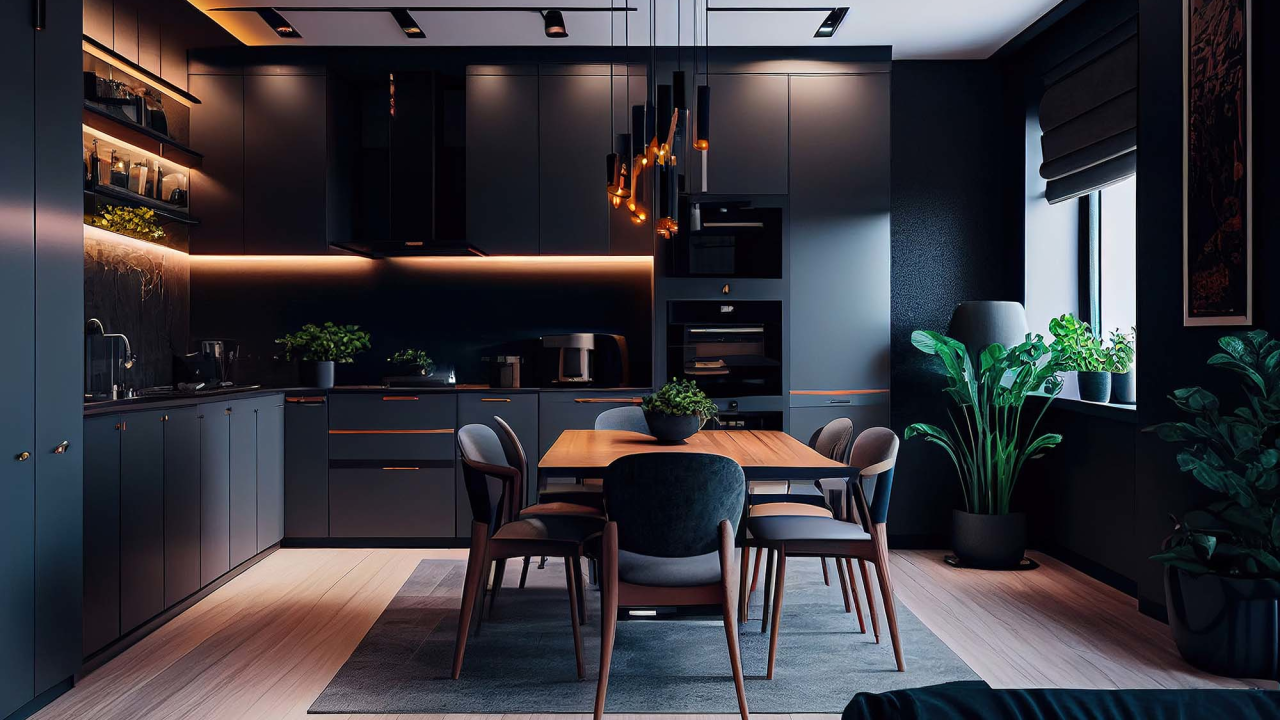
Hardwood flooring brings warmth, character, and a sense of continuity to a kitchen. In Bellevue homes, where open layouts often connect the kitchen with dining and living areas, wood flooring can make the entire interior feel more unified. The natural grain also provides a welcome contrast to smooth countertops, painted cabinetry, stainless steel appliances, and other hard kitchen surfaces.
However, choosing hardwood for a kitchen takes more consideration than selecting a color you like. Water exposure, everyday spills, tracked-in moisture, and changing indoor conditions can all affect how a wood floor performs. With thoughtful product selection, professional installation, and consistent care, hardwood can remain a practical and beautiful feature in a busy Bellevue kitchen.
Should You Use Hardwood Flooring in a Bellevue Kitchen?
Hardwood can work well in kitchens when the flooring is selected for the conditions of the room. The goal is not to make wood completely waterproof. Instead, the floor should be installed and maintained in a way that limits prolonged moisture exposure.
Engineered hardwood is often worth considering for kitchens because its layered construction provides greater dimensional stability than traditional solid wood. Solid hardwood is made from a single piece of wood, while engineered hardwood combines a genuine wood surface with a layered core. Both provide the appearance and texture of real wood, but their construction affects how they respond to environmental changes.
The final choice should account for the subfloor, the home’s layout, the manufacturer’s installation requirements, and the amount of daily kitchen activity. A professional flooring consultation can help homeowners compare realistic options rather than choosing on appearance alone.
Create a Cohesive Flow Between the Kitchen and Living Areas
Many Bellevue and greater Seattle homes feature kitchens that open directly into family rooms, dining spaces, and hallways. Using one hardwood style throughout these connected areas can make the floor plan feel larger and more intentional.
When planning this continuous look, consider the existing architectural details. Wide planks can complement spacious contemporary interiors, while narrower boards may suit traditional homes or rooms with more detailed millwork. Natural and medium wood tones tend to transition easily between different spaces because they coordinate with a broad range of furniture, cabinetry, and wall colors.
Plank direction also matters. Running boards along the longest sightline can visually lengthen the room. In open layouts, consistent plank direction helps the eye move naturally from one area to the next. Awkward changes in direction or unnecessary transition strips can interrupt that flow.
Choose a Finish That Fits Daily Kitchen Life
Color is important, but sheen level and surface character are equally significant. A satin or low-sheen finish gives hardwood a refined appearance without reflecting every overhead light. It can also make light dust, small marks, and everyday wear less noticeable than a highly polished surface.
Floors with visible grain, natural variation, and light texture are often forgiving in active households. A perfectly smooth, dark floor may create a dramatic look, but it can also show crumbs, pet hair, and surface dust more quickly.
Before making a final decision, view larger flooring samples inside the home. A wood tone that looks warm in a showroom may appear cooler beside north-facing windows or under evening lighting. Compare samples near the cabinets, countertops, adjoining flooring, and major pieces of furniture.
Plan for Water Around Sinks and Appliances
Most kitchen moisture problems begin in predictable locations. The sink, dishwasher, refrigerator, exterior door, and pet water station deserve extra attention during the planning process.
Use absorbent mats where small splashes are common, but avoid mats with backings that could trap moisture against the floor. Check appliance connections periodically, especially behind the refrigerator and dishwasher. If a spill occurs, wipe it up promptly rather than allowing water to sit between planks.
The National Wood Flooring Association recommends cleaning spills immediately with a dry or slightly damp cloth. It also advises against wet mops and steam mops because repeated moisture and heat can damage the wood and its finish over time.
Follow a Simple Hardwood Care Routine
Kitchen floors do not need complicated maintenance. Sweep, dust-mop, or vacuum with a setting designed for hard flooring to remove grit before it scratches the surface. Use a cleaning product approved for the floor’s specific finish, and avoid improvised mixtures that may leave residue or dull the coating.
Add protective pads beneath movable furniture and stools. Near exterior doors, use a quality entry mat to reduce the amount of moisture and abrasive debris carried inside. These small habits can have a noticeable effect on the floor’s long-term appearance.
Indoor conditions should also remain reasonably stable. Because wood responds to changes in moisture, consistent heating, ventilation, and humidity management can help reduce unnecessary movement between boards. Manufacturer guidance should always take priority because wood species, construction, and finish systems vary.
Let the Material Support the Whole Kitchen Design
The most successful hardwood kitchen floors do more than match the cabinets. They support the mood of the entire home. Light oak can create an airy, relaxed foundation. Medium brown finishes add warmth without dominating the room. Deeper tones can provide contrast in a bright kitchen, particularly when paired with light cabinetry and generous natural light.
A carefully selected hardwood floor can connect cooking, dining, and living spaces while giving the kitchen a foundation that feels established rather than temporary. Associated Incorporated offers hardwood flooring, design assistance, and professional installation for residential projects throughout Seattle, Bellevue, and the greater Puget Sound region.
Find the Right Hardwood for Your Bellevue Kitchen
The right hardwood floor balances natural beauty with the practical needs of an active kitchen. By considering construction, finish, lighting, maintenance, and moisture-prone areas from the beginning, you can create a connected interior that feels comfortable and thoughtfully designed.


